
Changing a garden from a plain patch of green into a stylish, welcoming retreat often starts with defining the space. One of the most effortless ways to do this is by using corten garden edging. Its rich, rusted tones give borders a natural yet modern feel, instantly bringing warmth and structure to any yard. Pairing this with a corten planter box allows you to create focal points or cozy corners filled with lush greenery, giving your outdoor space both style and function. Even small touches like these can change how you experience your backyard, making pathways clearer and planting areas more organised.
Gardens are more than just plants and grass; they’re about how people move through and interact with the space. Think about how rooms in a house are defined by walls and furniture. Outdoor areas benefit from the same concept, but with creative touches that don’t feel rigid. Borders, raised beds, and planters act as subtle guides, gently directing the eye and encouraging certain paths. A single, well-placed feature can transform a wide, undefined garden into a series of inviting zones that feel intentional and harmonious.
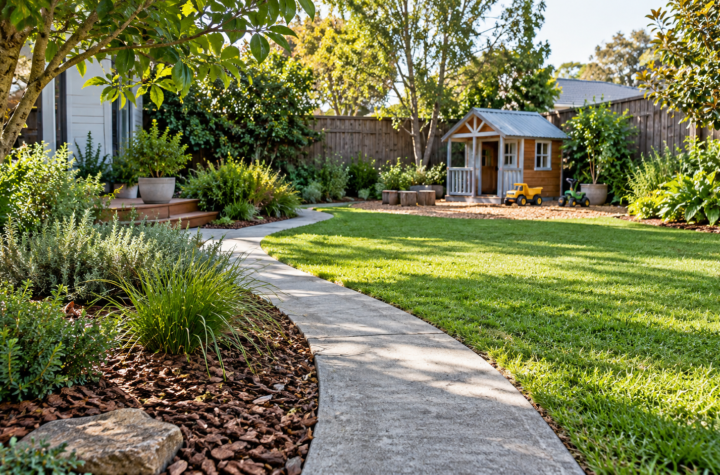
One playful approach to defining outdoor spaces is through paths and walkways. Gravel, stone, or even wooden planks can separate different areas while adding texture and rhythm. Low borders or edging around these paths help to contain plants and prevent overgrowth, creating a sense of order without feeling restrictive. A rust-colored edge or a simple wooden strip can visually connect one section to another, giving the garden a cohesive, designed look.
Containers and planters are another versatile tool. Think beyond traditional flowerpots. Large boxes or raised beds act as living walls or dividers, shaping spaces while showcasing vibrant plants. They can create intimate seating areas, hide unsightly corners, or mark transitions from lawn to patio. By choosing materials that complement your garden’s palette, like earthy corten steel, you bring consistency and sophistication to the design.

Layering height is a subtle yet effective trick for defining areas. Tall grasses, shrubs, or small trees can act as natural dividers without the need for fences. Lower-growing plants at the front, with taller ones behind, create depth and allow each zone to feel distinct. Layering doesn’t just add visual appeal; it guides the way you move and perceive the space. Step from a cozy reading nook to a vibrant flower border, and the journey feels intentional, almost like strolling through curated outdoor rooms.
Colour and texture play equally powerful roles. Contrasting foliage, flowering patterns, or even different types of mulch can differentiate areas. A patch of bright flowers surrounded by muted greenery instantly feels like a designated zone. Similarly, contrasting materials for patios, decks, and garden beds give definition and enhance the flow of the yard. When done thoughtfully, these small shifts in texture and tone create boundaries that feel natural and inviting.
Water features and focal points are another way to define spaces while adding personality. A fountain tucked into a corner, a reflective pond, or a striking sculpture can anchor a section of the garden. These elements provide a visual cue that a new area is starting, much like a piece of art defines a gallery wall. Pairing these features with plantings in complementary containers or edging brings cohesion and encourages exploration.
Don’t underestimate the charm of simple structural elements. Benches, pergolas, and trellises naturally suggest purposeful places to sit, relax, or enjoy shade. Surround these with carefully arranged planting beds or edging, and suddenly the outdoor space feels layered and complete. Even garden lighting can help define areas at night. Soft, warm lights along pathways or around seating zones create intimacy and guide movement, subtly dividing spaces without fences or walls.
A creative garden also embraces flexibility. Moveable planters or modular raised beds allow you to experiment with the layout. Want a larger dining space for summer gatherings? Shift boxes aside. Looking for a cozy reading corner in spring? Reposition containers to create a secluded nook. This adaptability keeps the garden dynamic and ensures that each space continues to serve both aesthetic and practical purposes throughout the year.
Think about textures not just in plants, but in materials too. Stone, wood, metal, and even fabric elements like outdoor rugs can signal transitions. A gravel path leading into a patio with wooden decking immediately defines where one area ends and another begins. Metal edging or decorative borders provide subtle separation while blending naturally with plantings. This mix of textures adds richness to the garden and helps define zones in a visually pleasing way.
Small details often make the biggest difference. Even a change in plant density or style can indicate a new area. Low hedges can separate a vegetable patch from ornamental flowers. A row of taller planters can mark the edge of a patio without blocking light or air. By observing how people move through your garden and which areas naturally attract attention, you can place these defining elements in ways that feel effortless and organic.
Gardens are ultimately about experiences of walking, sitting, relaxing, and enjoying nature. Defining spaces within the garden enhances all of these moments. Each zone can have its own purpose: a dining area, a meditation nook, a flower garden, or a children’s play space. Using visual cues, material changes, and creative containers allows you to structure the garden in ways that feel natural but purposeful. Visitors should feel guided through a series of intentional experiences rather than stepping into a chaotic mix of plants and objects.
What makes this approach so rewarding is the sense of discovery it encourages. A winding path bordered by subtle edging, a hidden seating area surrounded by planters, or a series of raised beds revealing unexpected blooms turns a simple yard into a series of charming, interconnected experiences. The beauty of defining spaces creatively lies in its ability to combine function with delight, offering both practical organisation and aesthetic pleasure.
At the heart of it, defining outdoor spaces is about storytelling. Each feature, whether it’s a raised bed, an artistic planter, or a pathway edged with character, adds a chapter to the garden’s narrative. It’s not about rigid rules but about how your personality and lifestyle shape the space. When these elements work together, the garden feels cohesive, inviting, and uniquely yours.


More Stories
Planning a Practical Backyard
Top Home Renovation Ideas for Modern Living
Why Rain Water Control Matters